
One healthy zucchini plant can give you several pickings, but there is no reliable fixed number of fruits per plant. For a starting point, the University of Maryland estimates 20–40 pounds of summer squash per 10-foot row. If a row held four equally productive plants, that would work out to about 5–10 pounds per plant. At an assumed half pound per zucchini, that means roughly 10–20 fruits. Treat those numbers as planning examples. How small you pick, how well flowers set and how long the plant stays productive can all change the count.
Updated November 24, 2026.
The first useful question is how much zucchini your kitchen will use in a week. One plant can produce enough to keep you busy when it is picking well, then drop off as it ages or the weather changes. If you want a steady supply, plan around several weeks of harvest and the possibility of gaps.
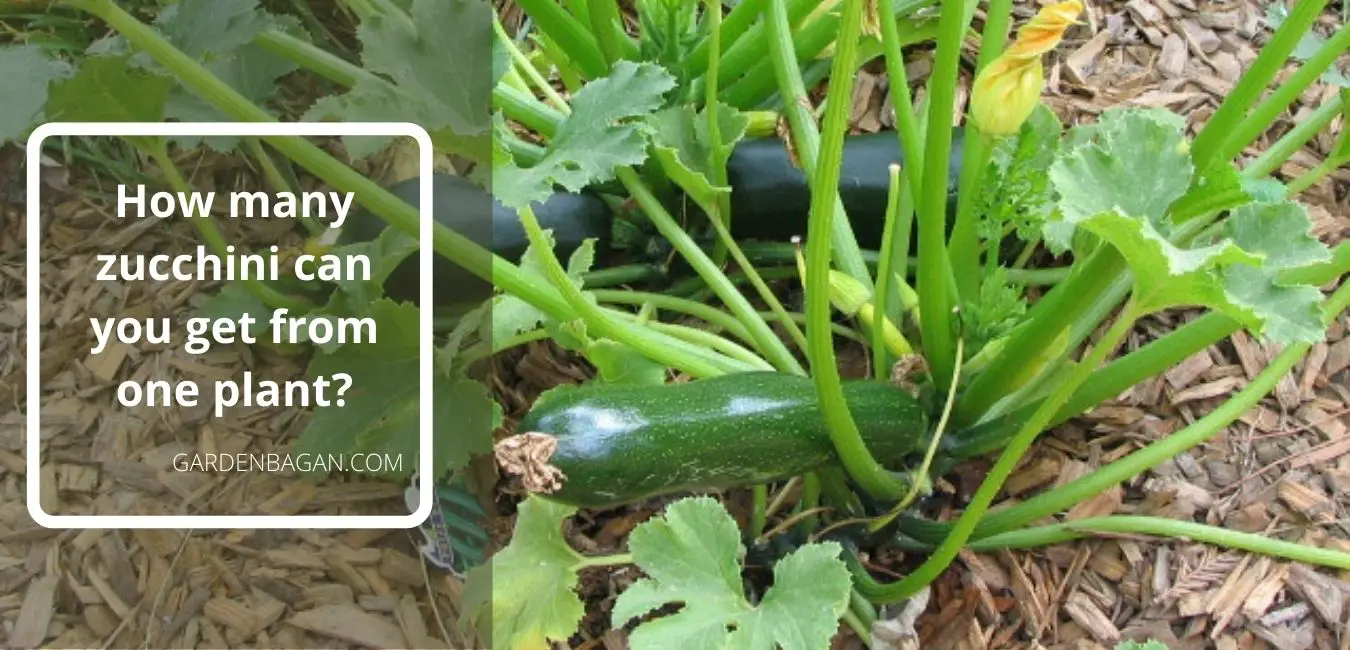
What a zucchini yield estimate actually measures
Gardeners can report yield by fruit count, total weight or edible fruit at a particular size. Those numbers describe different things. A gardener who picks small, tender zucchini can bring in more individual fruits than someone who lets two squash grow large. The second gardener might still have the heavier basket. If you compare your harvest with a neighbor’s, ask how large they pick and which fruit they include.
The Maryland Extension summer squash guide gives a row weight and describes harvesting elongated summer squash at about 6–8 inches long. Its estimate covers summer squash in general, so use it as a rough reference for a garden row. The number of plants you can fit depends on the variety and its spacing. A wide, vigorous plant may need more room than one bred for containers.
To estimate your own yield: weigh five fruits that match the size you want to pick. Divide that total by five to get the average weight. Then divide your estimated harvest weight by that average. For example, a plant producing six pounds would yield about 12 half-pound zucchini or about eight three-quarter-pound zucchini. This calculation helps you plan what to do with the crop.
Is one plant enough for the household?
Try one plant if space is tight and you mainly want zucchini for occasional meals. Give it the spacing on its seed packet and put it where you can reach the fruit without moving leaves roughly. If you have room for two plants and want some insurance, you can grow a second. They can overlap in bloom, and you still have a plant if the other suffers early damage.
One plant can set fruit on its own when male and female flowers open together and pollen reaches the female flower. Adding plants increases your chance of having both kinds of flowers open at once, but bees or hand pollination still need to move the pollen in most varieties. See our guide to whether you need two zucchini plants for more on that distinction.
If your season is long enough, stagger sowings. A young plant may start flowering as the first plant slows down. Check the cultivar’s days to maturity and your local weather before sowing again. Leave a margin beyond the packet estimate for cooler conditions or slower growth. In a short season, a late sowing may use space without reaching harvest. In a hot region, use the local planting calendar to avoid a planting that reaches flowering during the least favorable part of the season.
How to tell whether flowers are setting fruit
Look just behind the flowers. A male flower sits on a thin stem. A female flower has a tiny zucchini-shaped swelling at its base. Early blooms may all be male, so a week of flowers without zucchini can be normal. Check new blooms on several mornings before deciding there is a problem. A female flower closing after it opens is normal too. The clue is what the tiny fruit does afterward.
If it starts to enlarge steadily, keep an eye on harvest size. A tiny fruit that yellows and stops growing can indicate poor pollination. Some fruit disorders or damage can look similar. Check whether the plant has healthy new leaves, whether moisture has been steady and whether the issue repeats. A few failed fruits alone do not tell you the entire plant is struggling.
If fresh flowers of both kinds are open and few bees are visiting, transfer some pollen from a male flower to the center of a female flower with a clean, soft brush. Work in the morning when flowers are open. Flag the fruit with a nearby marker and check in a few days. The University of Kentucky summer squash guide explains flower identification, pollination and the effect of rainy or cloudy conditions on bee activity.
What affects how many zucchini you pick?
Sun and room to grow
Use a sunny site with room for the full plant. With a bush type, the main stem stays fairly short, but the leaves spread far beyond a young seedling’s footprint. Overcrowding makes it harder to find fruit, inspect the stem and get airflow through the plants. For a container, choose a compact variety and a pot with drainage. Check the cultivar instructions for container size and place the pot where it has room around it.
Steady water and healthy roots
Water at the base when the root zone needs it. Check the soil beneath the surface after hot weather rather than judging by a dry-looking crust. In a pot, moisture can change quickly, especially once the plant has filled the container with roots. Let water drain out. A plant sitting in a saucer full of water can still wilt because poorly aerated roots struggle. Adjust to rainfall, soil and container conditions rather than following a universal watering schedule.
Early trouble at leaves and stems
Check the growing tip, older leaves and lower stem regularly. A white, spreading powder on leaves can be powdery mildew. Sudden wilting and sawdust-like material near the stem base can point to vine borer where it occurs. These are different problems. Before deciding what to do, compare the clues with a local extension guide. A strong plant with some affected older foliage may still yield. A plant collapsing at the crown may have much less harvest ahead.
Fertilize based on the garden’s needs and the product directions. More fertilizer cannot replace sunlight or pollination. If the plant is leafy and you see few fruit, check what kind of flowers are forming before adding anything to the soil. Choosing a suitable cultivar, keeping up with harvest and correcting a specific problem can help more than feeding again by habit.
When to harvest for tender squash and continued production
For a typical elongated zucchini, check it around 6–8 inches long, or follow your variety’s directions if it is round or intended for a different size. Look for tender skin and soft, immature seeds. In warm weather, check under the leaves daily once production picks up. A fruit you overlooked can change noticeably before the next weekend. Support the fruit and cut the stem with clean pruners rather than pulling against the plant.
If you discover a giant zucchini tucked under a leaf, take it off even if you prefer smaller squash. Leaving mature fruit on the plant can reduce future yield. Large fruit can have a tougher skin and developed seeds, so the kitchen use changes. A sound large zucchini can suit grating or stuffing. Handle tender young zucchini gently so the thin skin doesn’t become bruised or scratched. South Dakota State University Extension explains harvest size and why you should remove oversized fruits.
What to check when the harvest is lower than expected
- Flowers without tiny fruit behind them: Observe the morning blooms for a few more days. Early male flowers are common.
- Little fruits repeatedly stop growing: Watch for visits from pollinators, check soil moisture and try hand pollination on a marked female bloom.
- The pot dries repeatedly: Check the soil morning and afternoon during a warm stretch. If the container is too small for the plant, use a larger one next season.
- The plant suddenly wilts: Check moisture and the stem base before watering again. A damaged stem and dry soil call for different decisions.
- Production fades late: Look for healthy new leaves and growing fruit. Compare what you see with the remaining warm weather before spending more time on the plant.
Keep a harvest record for next year’s garden
Label plants by variety and sowing date. At each picking, record how many sound fruits came from each plant and their combined weight. It only takes a few seconds if a scale and notebook are near the back door. Add a note if you leave town, miss a picking, hand-pollinate a bloom or spot a pest. Those notes help explain the unusually big or small weeks.
At the end of the season, compare the fruit count with what your household used. A plant that gives you two or three well-timed meals can be a better fit than one that produces more than you can use. If you found yourself giving away almost every harvest, grow fewer plants or spread out planting. If you never had enough after the first flush, a second sowing or a different variety may be worth the space.
When production slows, use our end-of-season zucchini guide to decide whether to wait for another picking or clear the bed.