
If you’re choosing winter vegetables to grow in pots in India, start with what you eat. Methi, coriander, lettuce, spinach, radish, carrots and compact peas are all worth considering. For a first attempt, choose two or three that match your sunlight and pots. A tray of leaves you actually use is a better starting point than a crowded balcony full of struggling plants.
The important catch is that winter means different growing conditions across India. A cool, sunny terrace in the northern plains and a warm coastal balcony need different planting decisions. Start with the conditions outside your door, then buy the seeds.
Pick your first two pots
- A small balcony with a few hours of direct sun: Start with one container of loose-leaf lettuce and one of coriander if both suit your local sowing season. Sow a short row first and keep the remaining seed for a second batch.
- A sunny terrace with space for a deeper pot: Try a quick radish variety and a compact pea that can climb a secure support. Check the packet for spacing and choose the containers before you sow.
- A balcony still hot in the afternoon: Delay true spinach and lettuce until your conditions suit them, or start with a small trial in a cooler spot. Keep a note of the sowing date so you can compare the next batch.
When should you start your winter vegetable garden?
In the northern plains, autumn is a sensible time to plan cool-season vegetables. Punjab Agricultural University’s winter kitchen-garden guidance in Progressive Farming, September 2022, page 26 identifies September as a starting period and mid-October to mid-November for peas in Punjab. Those dates are a regional reference, not a planting calendar for the whole country.
Use these three checks to decide what to sow:
- Cool days, no regular frost: Choose greens and roots suited to your local sowing season. Start with a small batch; save seed for another sowing if the first struggles.
- Days still hot, especially beside a sun-heated wall: Delay heat-sensitive crops such as true spinach and lettuce, or trial them in a cooler spot. For a warm-climate leaf crop, consider locally suitable leafy amaranth instead. TNAU’s amaranth guidance describes it as a warm-climate crop; it isn’t a frost-hardy replacement.
- Frost or freezing nights expected: Choose varieties sold for cold conditions and establish them before severe cold. Horticultural fleece can offer limited protection, but it cannot make every vegetable winter-hardy. Avoid starting an exposed pot simply because the packet says “winter.” RHS crop-cover guidance explains the limits of covers.
For hill gardens and places with a warm or rainy winter, use your local agricultural university or Krishi Vigyan Kendra’s crop calendar. Check the variety as well as the vegetable name: an early pea or heat-tolerant radish may have a different window from another variety of the same crop.
Check your sunlight before choosing vegetables
Watch the proposed growing spot through a clear day. Count the hours when sunlight falls directly on the leaves, rather than hours when the balcony merely looks bright. Buildings, roof overhangs and nearby trees can shorten that window. Repeat the check as winter shadows shift, or whenever you move the pots.
Cool-season greens such as lettuce and spinach can grow with about 3–5 hours of direct sun, according to University of Maryland Extension’s container guide. Try them first in a partly sunny spot. Give roots and peas the sunnier positions available. If the balcony receives almost no direct sun, moving the pots is more useful than adding fertiliser.
Tomatoes, peppers and brinjal need more light—roughly 6–8 hours—and are warm-season crops. They may suit a frost-free winter garden, but they don’t belong in every beginner’s cool-season plan. Keep the first garden small enough to water and inspect comfortably.
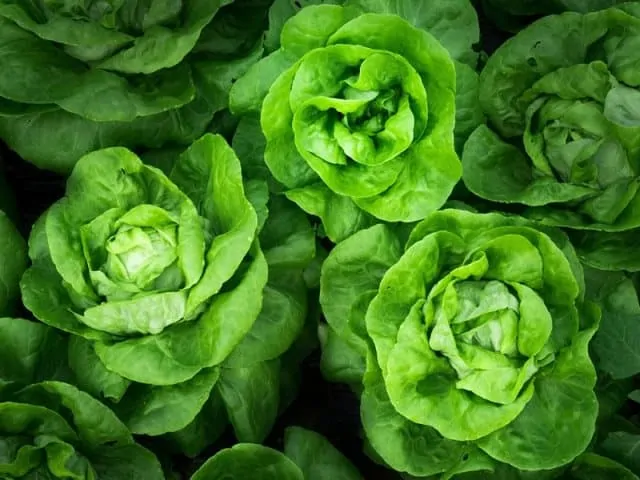
7 winter vegetables to grow in pots
These are choices to select from, not a shopping list to complete. The linked crop guides explain their respective plant types; their British seasonal calendars should not be copied into an Indian garden.
| Crop | Best reason to choose it | Container or variety decision | When to look for a harvest |
|---|---|---|---|
| Methi / fenugreek | Tender leaves for cooking | Choose seed intended for leaf production; use a container with room for the packet’s final spacing | TNAU gives 20–25 days for greens under its growing conditions; colder or poorer conditions can take longer |
| Coriander / dhania | Small, useful herb pickings | Sow directly into its final pot; choose a leaf variety | Start taking a few leaves when plants reach about 10–15 cm tall |
| Loose-leaf lettuce | Several small salad harvests | Choose loose-leaf rather than a large head if space is tight; use a container at least 30 cm wide | May be ready in as little as 4–6 weeks from sowing in suitable conditions; cool weather can lengthen this |
| True spinach | Baby leaves or a larger cooking crop | For a crop grown on to larger plants, a pot at least 30 cm wide and deep gives a useful moisture buffer | Baby leaves may be ready around a month after sowing; larger leaves around two months |
Root vegetables and compact peas
| Crop | Best reason to choose it | Container or variety decision | When to look for a harvest |
|---|---|---|---|
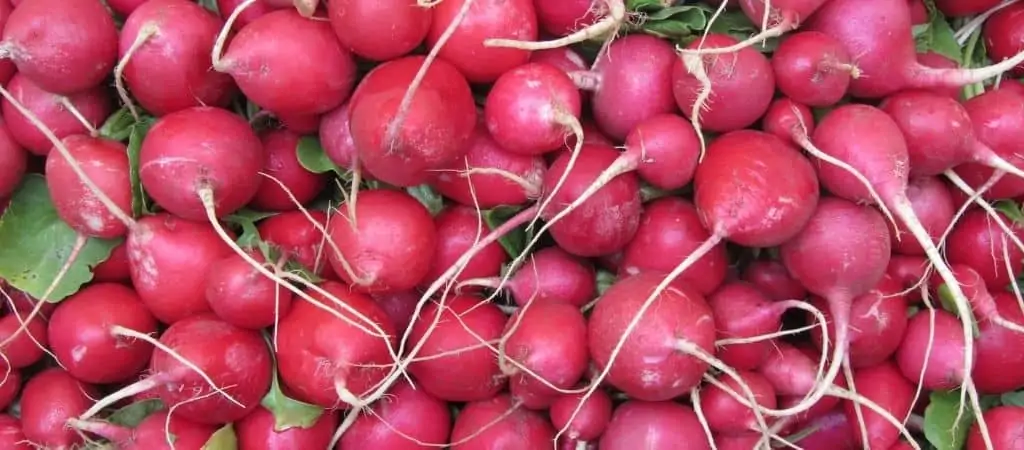
| Short-rooted salad radish | A small root crop with a relatively quick finish | A container at least 30 cm wide and deep is a practical option; choose a short-rooted variety | Often around 4–6 weeks after germination; check root size rather than the date alone |
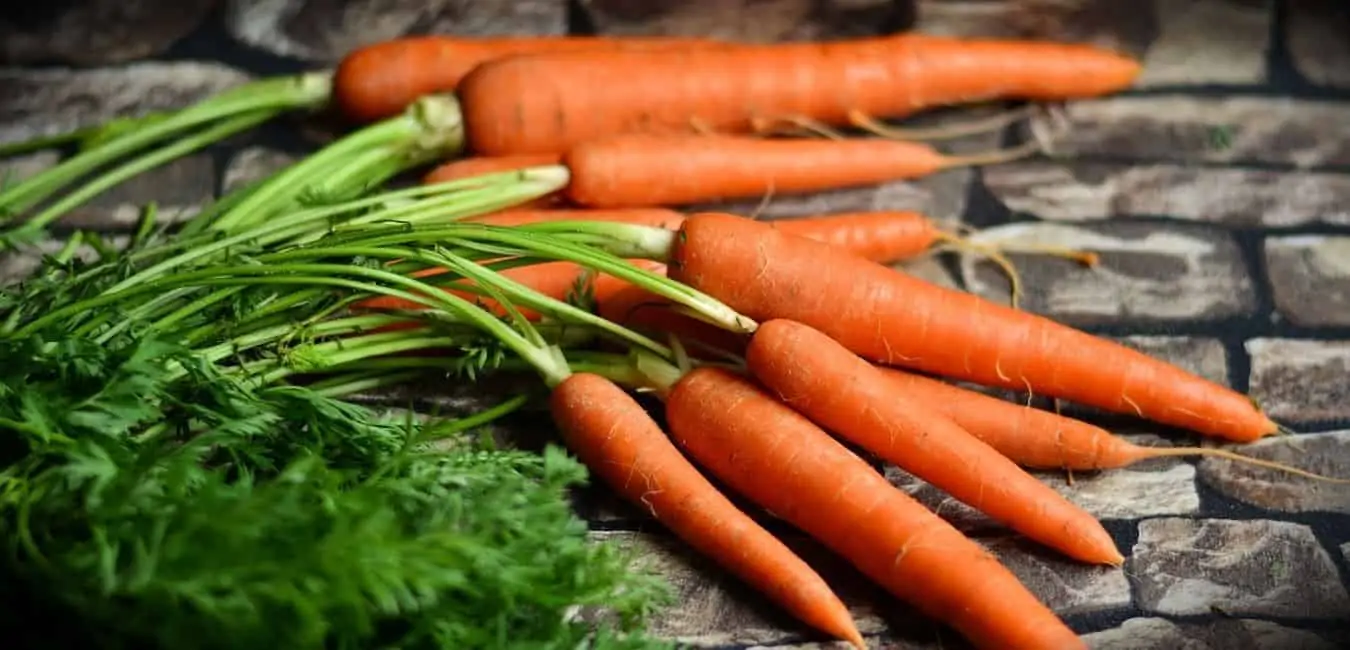
| Carrot | A root crop for a deeper pot | Choose round or short-rooted carrots for limited depth; long carrots need deeper mix | Full-sized roots commonly take 12–16 weeks from sowing; baby roots can be taken earlier |
| Compact peas | A small harvest of pods from a sunny spot | Choose a dwarf variety and a large container at least 45 cm wide; provide supports | Shelling types commonly take about 12–16 weeks from sowing, depending on variety |
Timing is a planning aid, not a deadline. Cold spells, cultivar and growing conditions change how quickly plants reach a usable size. The figures above come from TNAU fenugreek guidance and the RHS guides to coriander, lettuce, spinach, radishes, carrots and peas.
Two names worth checking on the packet
“Spinach” isn’t always the same plant. True spinach is Spinacia oleracea. Malabar spinach, Basella alba, is a warm-season climbing plant with different needs. Wisconsin Extension’s Basella guide makes that distinction clear. If a palak packet names another plant, use guidance for that plant rather than assuming the true-spinach timings above apply.
Small red radish and long white mooli need different room. Some mooli varieties develop roots over 30 cm long. A pot adequate for a small salad radish may be too shallow for them. Compare the packet’s mature root length with the depth of usable growing mix, and choose a shorter variety if necessary.
Choose pots by root room, not just diameter
A “12-inch pot” may describe its width, not its depth. Check both, along with capacity in litres. Two pots with the same rim width can hold very different amounts of mix. For example, a straight-sided box measuring 40 × 20 × 20 cm internally holds 16 litres before leaving watering space; a tapered container holds less.
Smaller containers can work for short leaf crops, but they need closer attention to moisture. Don’t squeeze a large plant into one merely because it fits on planting day. University of Maryland’s container advice recommends considering both depth and volume.
Ordinary pots need open drainage holes. Keep their bases clear of the floor and empty water-catching saucers after watering. A gravel layer at the bottom does not improve drainage; it also uses room the roots could occupy. Use the crop’s required depth as growing space, not space partly filled with stones.
Prepare the mix, then sow
Gather your chosen seeds, clean pots, vegetable potting mix, a watering can with a fine rose, labels, a ruler and scissors for harvesting or thinning. Peas also need supports suited to their eventual height.
A lightweight commercial mix intended for container vegetables is a straightforward starting choice. It should hold moisture while letting excess water drain. Plain garden soil can become too dense in pots, and cocopeat alone is not a complete feeding plan. Check whether your purchased mix already contains fertiliser before adding more. University of Maryland explains how container growing media work.
Sow at the depth each crop needs
- Moisten the mix before filling. Work water through it so there aren’t dry pockets. Fill without packing it hard, leaving about 2.5 cm below the rim for watering.
- Sow in the final container where practical. Carrots, radishes, coriander and spinach are suitable for direct sowing. It avoids moving a delicate young root system later.
- Match depth and spacing to the crop. For short salad radishes, sow about 1 cm deep and 2.5–5 cm apart. For carrots, sow about 1 cm deep and thin to 5–7.5 cm apart. Compact peas can be sown about 5 cm deep and 7.5 cm apart. Methi and greens need their own packet instructions; they shouldn’t all be planted at the pea depth.
- Water gently and label the pot. Keep the seed zone moist while seeds germinate. A forceful stream can move small seeds into crowded patches. Write down the variety and sowing date, then note the packet’s expected emergence period.
- Give crowded seedlings room. Thin to the final spacing by removing extras; snipping them at the surface avoids tugging on neighbours. A mass of leaves can look promising while leaving root crops too crowded to swell.
The crop-specific sowing details are in the RHS guides linked above; the general filling and pre-moistening method follows Maryland’s container planting guidance.
Plan a second sowing before the first harvest
Suppose you have a frost-free balcony with four hours of direct winter sun and room for two containers. One is a 30 cm-wide, 30 cm-deep pot; the other will be a trough for methi. Before buying the trough, read the methi packet’s spacing between plants and rows, and any container-depth recommendation. Compare those with the trough’s internal dimensions and usable mix depth. Choose one that accommodates at least one row at the stated spacing; if the packet lacks those details, ask the supplier for leaf-crop sowing instructions first.
Try loose-leaf lettuce in the deeper pot and a small methi sowing in the trough. Keep the crops separate so harvesting and resowing one doesn’t disturb the other. Leave peas for a later attempt when you can give them a larger, sunny container and supports.
Once the first sowing emerges well, decide whether you want another batch. For crops you harvest all at once, reserve a separate pot or section for the next sowing rather than filling every available space on day one. This is succession sowing: several small starts instead of one large harvest. Adjust the next batch to what you used from the first.
This is an example of choosing within limits, not a promise of a particular yield. It works only if the varieties suit your local season and the containers accommodate their spacing.
Water, feed and harvest without a fixed routine
Check moisture rather than watering every morning automatically. Established plants need water when the mix is drying, while germinating seeds need a consistently moist seed zone. Water the mix thoroughly until excess drains, then empty the saucer. If water runs straight down the sides, check whether the middle is still dry. Maryland’s watering guidance explains why both drought and waterlogging cause trouble.
Feed lightly and harvest as crops mature
For feeding, use a fertiliser suitable for edible container crops. Find its dilution or dose and repeat interval, and check the potting mix’s existing feed allowance. Add it only as directed; don’t combine several products to hurry growth. Slow growth can also reflect cold, weak light or crowded roots.
Pick a few outer lettuce or spinach leaves while leaving the centre to grow. Take small coriander pickings and let the plants recover. Pull a sample radish near its expected harvest stage to check whether the root is usable. For shelling peas, wait for well-filled pods; edible-pod varieties are picked younger.
Don’t count on every methi sowing giving repeated cuttings. Forms and harvest methods differ, as Garden Organic’s fenugreek guide explains. Keeping seed for another sowing is a more dependable plan than assuming the same plants will supply leaves indefinitely.
If the first pot struggles, check this before starting over
Nothing emerges: Compare the elapsed time with the packet’s germination range. Coriander can take one to three weeks. Check the sowing depth, moisture and whether the spot is unusually hot or cold. If that range has passed, test a small fresh batch under corrected conditions instead of repeatedly soaking the failed pot.
Radishes produce leaves but little root: Recheck spacing and water consistency. Heat and crowding can interfere with root development. If flower stalks appear, start a suitable new batch rather than expecting those plants to resume normal root growth.
Plants wilt while the mix is wet: Stop adding water by habit. Check blocked holes and standing water first. If wilting continues despite free drainage, seek a diagnosis from a local horticulture service with photos of the plant and roots; the symptom alone doesn’t tell you which disease, if any, is present.
Before expanding, look for upright new growth, workable drainage and a harvest you enjoy using. Those are useful reasons to add the next pot.