
Keep a zucchini plant while it still has healthy new growth, sound fruit and enough warm weather to finish a picking. Harvest before a predicted frost. Once the plant collapses, stops producing or has serious disease or insect damage, remove it from the bed. Compost healthy material and keep diseased or heavily infested plants out of an ordinary home compost pile.
Updated November 24, 2026.
Late in the season, a zucchini plant can look tired and still give you another harvest. The lower leaves may sag while small fruit grow under a healthy crown. On another plant, the whole stem may wilt early because a borer has tunneled into it. Start with a quick inspection, then decide whether the plant is worth another week.
Is your zucchini plant finished for the year?
Look at the newest leaves and the smallest fruit before judging the plant by its oldest foliage. A few worn lower leaves are common late in the season. If the plant still has firm stems, an active growing tip and fruit that gets larger every day or two, check the forecast and keep picking. Avoid stripping off healthy foliage just to make the bed look tidy. Those leaves are still working.
If the plant has stopped making usable fruit, check whether the change followed cold nights, a stretch with few pollinators or visible pest damage. Female flowers have a small squash behind the petals. A tiny fruit that stays small and turns yellow can follow poor pollination. A plant with no new fruit and little favorable weather ahead is a good candidate to remove, even if it still has some green leaves.
- Healthy crown, enlarging fruit, warm forecast: Keep it for another picking and check regularly under the leaves.
- Frost in the forecast: Pick sound fruit in advance. Decide whether temporary protection is worth the effort for the crop that remains.
- Soft, collapsing stem or rapidly spreading symptoms: Inspect for pests or disease. Remove damaged material rather than waiting for the calendar to say the season is over.
- Very little fruit and colder weather ahead: Harvest what you can and clear space for the next crop or a protective cover.
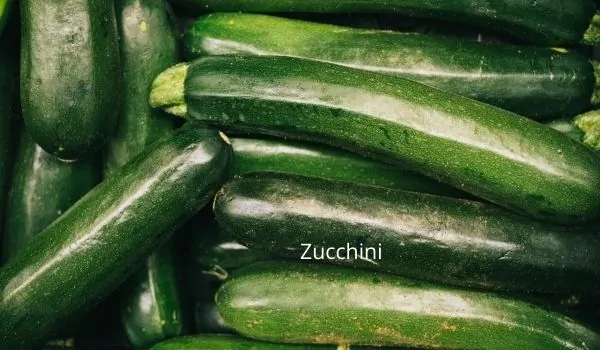
Pick and sort the last zucchini
Check the center of the plant and beneath the broadest leaves. A late fruit can hide against a stem or the side of a raised bed. Typical elongated zucchini are tender around 6–8 inches (15–20 cm), according to the University of Maryland Extension summer squash guide. Use the description for your variety if it is round or normally picked at a different size. Take small tender ones before frost as well. They can go into the kitchen without getting any bigger.
Use clean pruners or a sharp knife to cut the stems. Support each fruit so you don’t yank the plant or scuff the skin. Separate sound fruits from ones with soft rot or extensive damage. An oversized fruit with sound flesh can be useful grated or split and stuffed, though the skin and seeds may be tougher. Keep it apart from more tender fruits so you can decide how to use each batch.
Use fresh zucchini promptly. Zucchini is summer squash and has tender skin at its usual picking stage. It doesn’t keep like cured winter squash. If you want to freeze grated zucchini for baking, follow the National Center for Home Food Preservation’s tested summer squash directions. Save only good-quality fruits for preserving.
Can you keep zucchini through a frost?
Zucchini is a warm-season crop that can suffer freeze injury. If the forecast calls for frost, collect fruit before trying to protect the plant. For one brief cold night followed by a warmer spell, a frost cloth supported above the leaves may buy a little time. Secure its edges and remove or vent the cover when the weather warms. When flowers are open, uncover during suitable daylight hours so pollinators can reach them.
A cover offers limited protection. When temperatures are expected to stay cold or the plant has little usable fruit left, it makes sense to remove the crop. A large mature zucchini plant is usually impractical to overwinter indoors. In a frost-free region, the season may end with pests, heat, poor fruit set or the next planting window rather than a freeze. Use the plant’s condition and local weather, then make a choice that fits the bed.
What to do with powdery leaves and wilted stems
Some zucchini varieties have pale or silvery markings that follow the leaf pattern. Watch how the marks develop. A spreading white coating on the surface, especially on older leaves, can be powdery mildew. When you have doubts, compare a few leaves with the photos in a local extension guide. Cornell’s cucurbit powdery mildew guidance explains why severe leaf damage brings production to an early end.
For sudden wilt, check soil moisture and inspect the lower stem. Sawdust-like material near a hole at the stem base is a clue for squash vine borer where that pest occurs. Squash bugs may hide beneath leaves and plant debris. Look for clusters of eggs and groups of gray young bugs while the leaves are still in place. If a plant is heavily infested and near the end of production, get the debris out of the bed so it offers less shelter.
Photograph any unfamiliar damage before clearing it away. Capture the whole plant, the leaf surface and the stem base. A dated photo makes it easier to ask an extension office or local garden adviser for an identification later. It also helps you choose the right prevention next year, since a borer and leaf disease need different approaches.
Clear the bed without spreading the problem
- Gather the produce first. Pick sound fruit and take it to a clean area before working with old leaves and stems.
- Remove the plant and loose debris. Lift or cut the bulky stem and collect fallen leaves and rotten fruits. Look where the crown sat, especially if you saw pests near the base. Remove affected roots if the problem involves the crown or roots.
- Sort the material. Chop healthy vines and leaves for a managed compost pile. Keep diseased or heavily infested plant material out of a cool backyard pile. Use your local garden waste guidance to determine whether municipal collection or another disposal route accepts it.
- Clean up equipment. Remove soil and plant matter from pruners, stakes and containers. Wash them before storing. If you worked on diseased plants, follow local extension advice for disinfecting equipment that will contact the next crop.
A backyard pile often heats unevenly. A monitored hot compost process is different. If you don’t know how thoroughly your pile heats all the material, use it for healthy debris. South Dakota State University Extension recommends composting disease-free plant residue. The University of Kentucky fall cleanup guide lists cleanup choices by disease or pest. For example, it calls for removing infected tissues affected by cucurbit powdery mildew rather than composting them.
What to do with the soil or container afterward
In a garden bed, remove the residue around the crown and note where zucchini grew. Rotate the next zucchini or related squash to another bed where space permits. This can help with certain recurring soil or debris problems. It has limits when pests fly in or powdery mildew spores arrive from elsewhere. Pair rotation with early inspection and select a variety with resistance to a disease you can identify.
Cover bare soil if it will sit through a wet or windy period. Depending on your climate, you can sow a cover crop, plant a suitable cool-season crop or use clean mulch. If squash bugs were a problem, first clear the infested debris and ask local extension how to time mulch. The aim is to protect the soil without leaving a layer of squash debris where pests can shelter.
For a pot, empty it if the plant had a serious root or crown problem, then wash the container before reusing it. Avoid moving suspect mix into the bed or using it to raise seedlings. For healthy pots that simply reached the end of production, decide whether the mix still drains freely and has suitable structure. Old mix can settle and hold water differently by the next season. Add fresh mix or replace it when necessary rather than using a tired container as it is.
Take down temporary supports and pull back irrigation lines before adding a new crop. Look behind the sides of a raised bed and under any boards you used for access. Leaf fragments, dropped fruit and stray ties are easier to find now than after the next planting covers them.
Use the last harvest to plan next season
Record when the plant started and stopped giving you usable zucchini. Note how the season ended. A cold forecast suggests adjusting planting dates next year. A borer problem calls for monitoring and locally proven management. An early glut with little later harvest may be a reason to stagger the next sowing. Keep the variety name with your notes so you can compare it with another choice.
If you’re clearing the bed earlier than expected, see our guides to zucchini flowers and fruit set and estimating zucchini yield per plant when reviewing production. Before you move on, check beneath the last leaves for one more squash and clear the path around the bed. The next crop starts with knowing what you’re leaving behind.
Thank you. So helpful and exactly what I needed to know for my squash and zucchini plants. First timer here and doing ok!